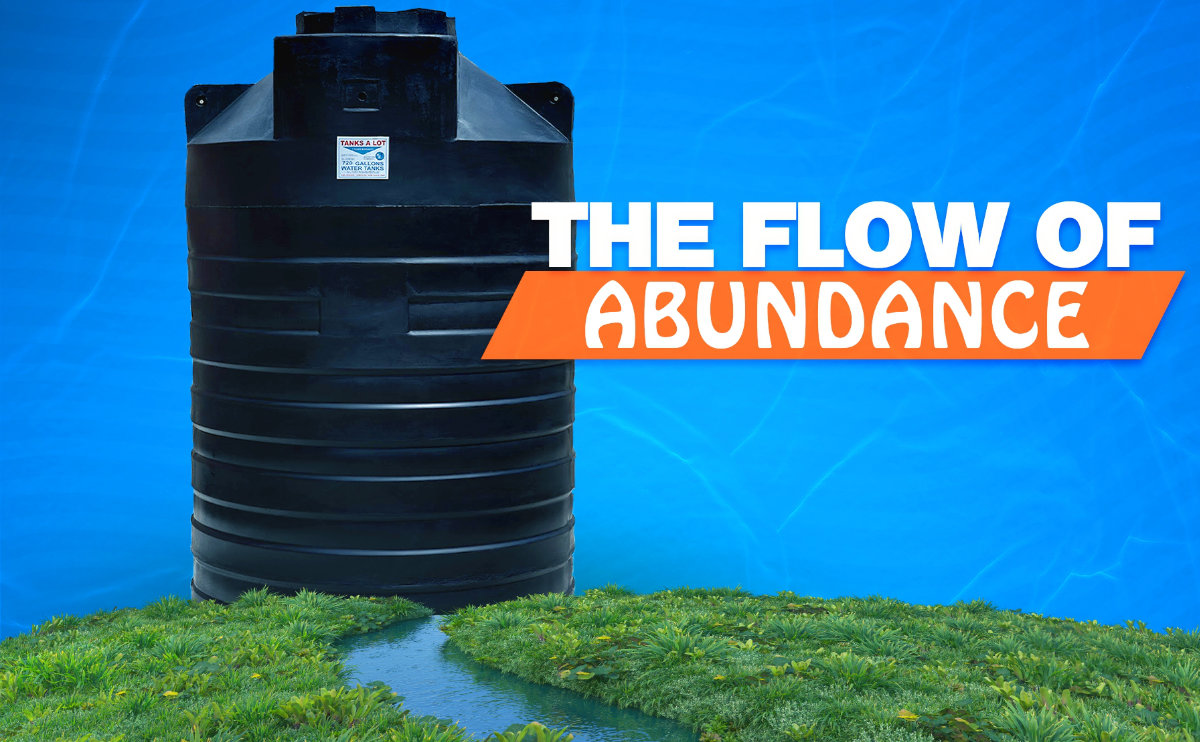
What is an Overhead Water Storage Tank?
A Water Storage Tank is a container or a mini-reservoir that is used to store the water in a measured quantity. The collected water in the tank serves many applications for both domestic and commercial purposes. As the time changes from the olden days the material in which the water tanks have been built has been evolving, srarting from wood, stones, ceramics, and brick materials that were plastered and painted. But, After the introduction of PVC tanks it has been a different story, The PVC became the most employed tank material since it possesses a significant advantage over other materials and naturally avoids leakage. There are various types of Water Storage Tanks too, like Overhead Water tanks, Underground water tanks, Emergency tanks, Horizontal Tanks, which are also known as Space Saving Tanks. The type of water tank you select to utilize will be effective based on your requirements, the application and also other factors.
Overhead Water Storage Tanks are almost self-explanatory. These tanks are usually placed on a certain height and this allows water to naturally flow down from there to supply your needs. In fact, they’re also called ‘gravity-feed’ tanks for this reason.
The idea here is to achieve maximum efficiency by placing a tank at some elevated distance to allow water to naturally flow down if for example, you do not yet possess a water pump that can propel the water through the pipes mechanically, allowing for a powerful water flow.
Having a water pump in the workplace or home is effective in allowing for consistently powerful water flow which is achieved by the pump’s high-powered motor that pressurizes the water, enabling it to maintain a constant flow rate for almost every outlet in your property.
Overhead Water Storage Tank Applications
Overhead Water Tanks can be used in various applications and can serve both Domestic purposes and Commercial Purposes. These tanks help to maintain a predictably nice water flow in all applications of the home or workplace.
Domestic Application of Overhead Water Storage Tank
In the Domestic applications, water is utilized in almost every action we perform, like in drinking, cooking, bathing, cleaning, washing, and other general uses. Appliances like washing machine and purifiers need constant flowing water and those needs are satisfied by our Tanks-A-Lot overhead tanks.
Commercial Application of Overhead Water Storage Tank
For Commercial Purposes, the overhead tank employed can be used not only in storing water, but chemicals can also be stocked and maintain a good flow for when they are used. Industrial buildings, Hospitals, Logistic yards, manufacturing, chemical industries etc. these are some of the areas where overhead tanks can be of benefit.
Maintenance of Overhead Water Storage Tank
Following a few simple maintenance steps for your overhead water tank can net you some effective results to keep things clean and corrosion-free.
More importantly, you can clean it to keep the tank dirt-free which can ensure that your water source is fresh for use in cooking, drinking, bathing, etc. And if there are any slight damages, you will be able to identify them at the earliest and sort it out, which increases the life of your tank.
Clean the Tank Regularly
At first, make a thorough inspection and check for algae buildup on the insides, and for any particle deposition at the bottom of the tank. It is very important to keep your water storage tank clean since it may be the primary or initial source of water supply for your daily needs. And while it is not necessary to clean it very often, it is advisable to clean at least once within a 1-year span.
Empty & Scrub the Tank
After completing the inspection procedure, you can empty the tank but make sure the main water line running into the tank from the municipality is shut down. Then, you can open all the water supplied taps to run the water out and empty the tank. Use an abrasive tool or scrubbing brush, wear safety gloves before starting and completely scrub every nook and corner of the tank. If dirt is visible in areas make sure you scrub it diligently with your strength so that any depositions gets cleared.
Shown above: A tank cleaning device with abrasive brush bristles.
Disinfect the Tanks and Pipes
Use a proper cleaning agent, or diluted household bleach to carry out the cleaning process. This helps to disinfect the tank and pipes. After scrubbing and bleaching, rinse once or twice thoroughly with clean water.
Empty the Tank and Leave it for Drying
After the above procedures, empty the tank and leave it for drying. After the tank is dried, again make a final inspection for any dirt, deposits or even cleaning agent buildup, and if you see any, clean the particular area with clean water and dry it.
Refill the Tank and Use it
Once you are satisfied and happy with the look of the inside of your water storage tank, then start the refilling process. Make sure you have closed all the taps and outlets, open the mains water supply to your tank and check that the lids are properly in place and positioned.
Features of Our Tanks-A-Lot Overhead Water Storage Tank
Our Overhead Water Storage Tanks are best in class and are cost-effective. Here are some highlights :
- Made of 100% Virgin & Food Grade Material
- Available in Double & Triple Layers
- Easy to Install
- Temperature Resistance
- Capacity ranges from 100 Gallon tank to 12,000 Gallon ones